Stationary Compactors
Stationary compactors are a cornerstone of efficient waste management in commercial and industrial settings. Designed to compress large volumes of dry waste into detachable containers, they help businesses reduce hauling costs, optimize space, and promote recycling. This guide covers everything you need to know about stationary compactors, including their design, applications, benefits, and maintenance.
What Are Stationary Compactors?
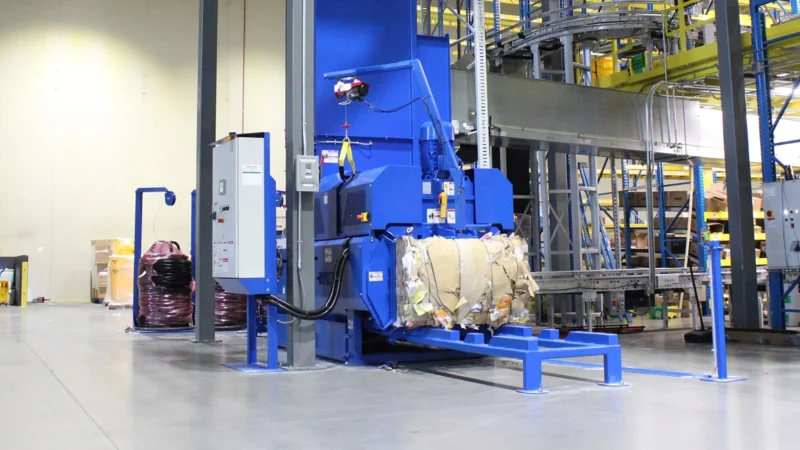
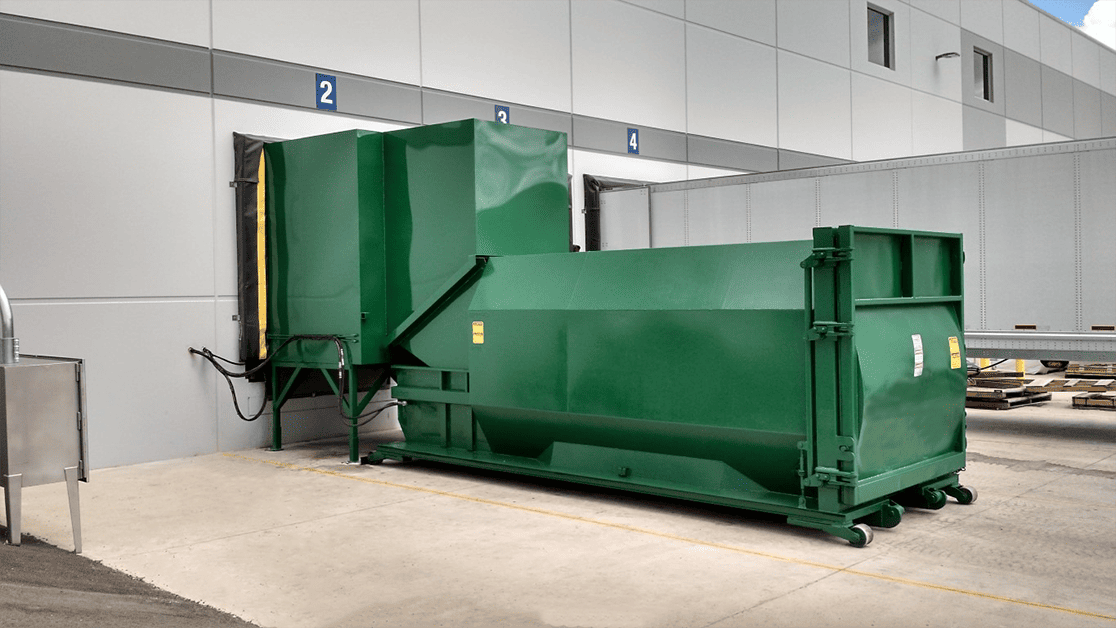
A stationary compactor is a fixed waste compaction system bolted or welded to the ground, designed to compress dry waste materials into a separate, removable container (often a roll-off container). Unlike self-contained compactors, where the compactor and container are integrated, stationary compactors keep these components separate. The compactor remains on-site while full containers are hauled away and replaced with empty ones, allowing continuous waste management without interruption.
How Stationary Compactors Work
Stationary compactors use a hydraulic ram or piston to compress waste inside a hopper or chamber. The waste is compacted into a detachable container that can vary in size, typically ranging from 17 to 40 cubic yards. Some models include features like:
- Walk-on or drive-on ramps for easy loading.
- Multi-cycle timers and remote control stations for automated operation.
- Pre-crushing stages to reduce bulky waste before compaction.
- Sensors to detect container fullness and prevent overfilling.
Space and Installation
Stationary compactors are permanently installed, typically bolted to a concrete pad. They require ample space not only for the compactor unit but also for the detachable container and the equipment used to swap full containers with empty ones.
Because of their size and fixed location, stationary compactors are best suited for sites with adequate space and infrastructure to support installation and container handling.
Choosing the Right Size
Stationary compactors come in various sizes, commonly with compaction chambers of 2, 3, 4, 5, or 6 cubic yards, matched with detachable containers ranging from 17 to 40 cubic yards. Proper sizing depends on:
- Volume of waste generated
- Type of waste (density and compressibility)
- Frequency of waste pickup
- Available space for installation and container storage
Maintenance and Longevity
Regular maintenance is critical to ensure optimal performance and extend the lifespan of stationary compactors. Recommended maintenance practices include:
- Daily safety checks for hydraulic leaks, fluid levels, and mechanical wear.
- Weekly inspections of hoses, fittings, grease points, and electrical systems.
- Monthly maintenance such as fluid and filter changes, cleaning, and pressure adjustments.
- Quarterly servicing for thorough component inspection, lubrication, and repair.
- Proper cleaning and storage, timely replacement of worn parts, and adherence to manufacturer guidelines minimize downtime and repair costs.
Conclusion
Stationary compactors offer an efficient, cost-effective solution for businesses and facilities that generate large volumes of dry waste. Their robust design, ability to handle high waste throughput, and support for recycling initiatives make them a valuable investment for commercial and industrial waste management.
When considering a stationary compactor, assess your waste type, volume, space availability, and operational needs. Partnering with experienced suppliers can ensure you select a system tailored to your requirements, maximizing both environmental and economic benefits.