Difference between Self Contained and Stationary Compacters
The difference between self-contained compactors and stationary compactors primarily revolves around their design, waste handling capabilities, space requirements, and ideal applications.
Design and Structure
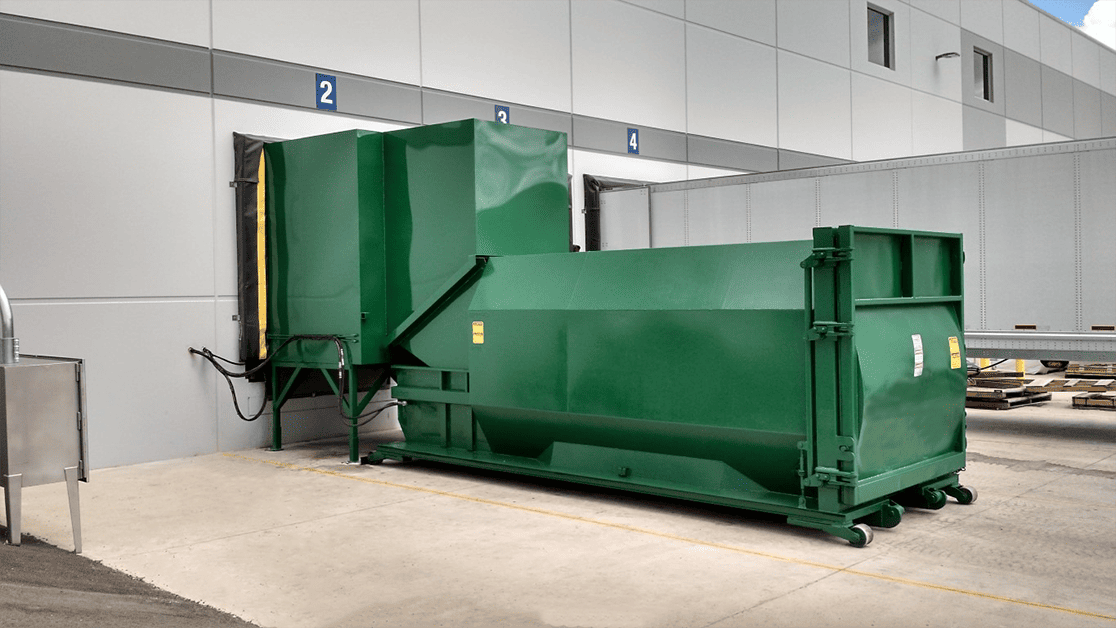
Self-contained compactors are an all-in-one unit where the compactor and the waste container are integrated into a single piece of equipment. This design includes a built-in container that collects compacted waste and is especially equipped to handle liquids through features like drainable sumps.
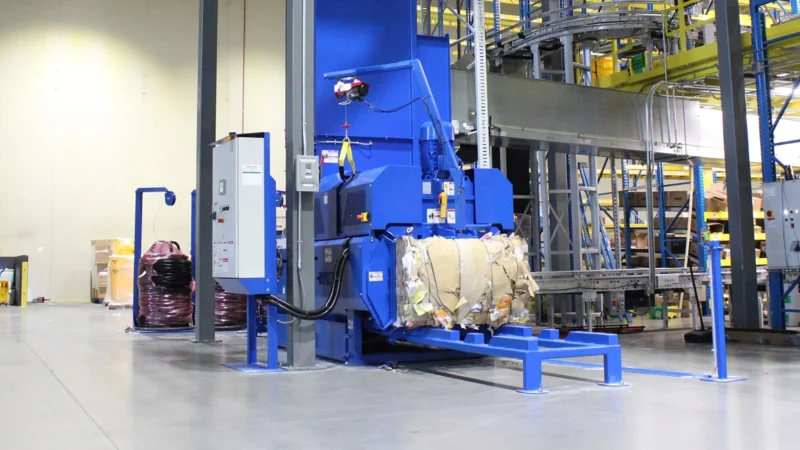
Stationary compactors consist of a fixed compactor unit that compresses waste into a separate, detachable container. The compactor itself is permanently installed and secured to the ground to reduce vibration and noise.
Waste Types and Applications
Self-contained compactors are best suited for wet or organic waste, such as food scraps and other materials that produce liquids during compaction. Their integrated design prevents leaks and odors, making them ideal for restaurants, supermarkets, hospitals, and healthcare facilities.
Stationary compactors are designed primarily for dry waste like cardboard, paper, plastics, and recyclable materials. Because they use a separate container, they reduce contamination risk and are commonly used in retail, warehouses, and offices.
Space and Installation
Self-contained compactors are more compact and require less space since the compactor and container are combined. However, their installation may require infrastructure modifications.
Stationary compactors need more space because they require room for both the compactor and the separate container, plus space to move the container when full.
Cost and Efficiency
Self-contained compactors generally have a higher initial cost but can be more efficient over time, especially for wet waste management, reducing hauling frequency and minimizing mess.
Stationary compactors may have lower upfront costs but can incur higher maintenance expenses due to the separate container and more frequent servicing needs.
Maintenance and Longevity
Self-contained compactors require less frequent maintenance but may need more intensive servicing when issues arise due to their integrated components.
Stationary compactors often require more regular maintenance because of the separate container and the mechanical stresses of fixed installation.
Conclusion
Choosing between a self-contained and stationary compactor depends largely on the type of waste your business generates and your space constraints. If you handle a significant amount of wet or organic waste and have limited space, a self-contained compactor is typically the better option. For businesses producing mostly dry waste with ample space, a stationary compactor offers an efficient and cost-effective solution.